
 info@trade-jp.net


 menu

News / Blog
ATTENTION! September Holidays!
Catalog


| Product Code | |
| Availability | 19 |
| Price | USD 29.00 |
| Qty |
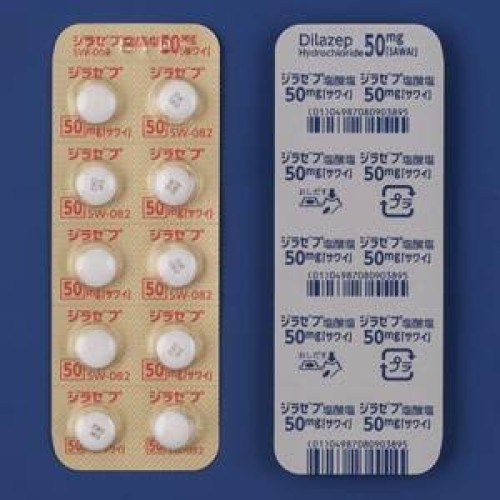
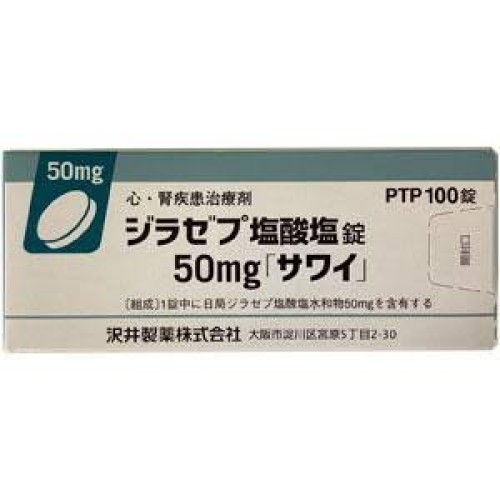
Dilazep Hydrochloride tablets 50 mg for angina pectoris and IgA nephropathy (coronary vasodilator)
Product Code :
Availability : 19
USD 29.00
Are Dilazep Hydrochloride Tablets 50 mg effective for angina pectoris and IgA nephropathy (coronary vasodilator)?
What are Dilazep hydrochloride tablets?
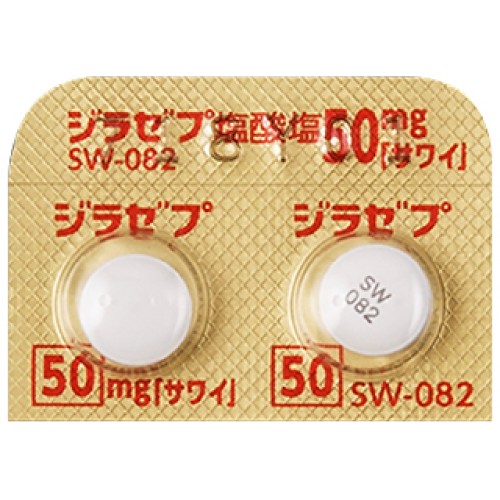
Dilazep hydrochloride tablets are a prescription medicine classified as a heart and kidney disease agent. Each white film-coated tablet contains 50 mg of dilazep hydrochloride hydrate. There are two approved uses. The first is angina pectoris and other ischemic heart disease, excluding myocardial infarction. The second is reduction of urinary protein in IgA nephropathy with mild to moderate kidney impairment.
How do they work?
Dilazep acts through adenosine, a substance released by heart muscle when its oxygen supply falls. Adenosine widens blood vessels. Dilazep blocks its reuptake into cells, which prolongs and strengthens this effect. As a coronary vasodilator, it acts in several ways:
- Blood flow: it increases coronary blood flow in dogs and in patients with ischemic heart disease, and improves microcirculation in the heart muscle in dogs.
- Platelets: it suppresses excessive platelet aggregation, as shown in patients with ischemic heart disease.
- Red blood cells: it increases their deformability in healthy men and improves oxygen release in patients with ischemic heart disease.
The kidney effect works differently. In rats, dilazep limited the loss of negative charge on the glomerular basement membrane. This charge helps keep protein from leaking into the urine, so preserving it lowers urinary protein.
What clinical studies show
Two domestic trials looked at angina. In the first, 96 patients with exertional angina took 50 mg three times daily after meals for 6 weeks and were compared with trimetazidine. In the second, 111 patients took the same dose for 4 weeks and were compared with nifedipine. Both reported fewer or resolved angina attacks, lower nitrate use, improved ischemic changes on the electrocardiogram and better exercise tolerance. Adverse reactions occurred in 1 of 47 patients (2.1%) in the first trial, as stomach pain. In the second they occurred in 3 of 54 patients (5.6%), as dizziness, heavy-headedness and facial flushing. For IgA nephropathy, a double-blind trial against placebo confirmed a reduction in urinary protein.
Blood levels have been measured as well. After a single 50 mg tablet in healthy adult men, the peak concentration was about 29 ng/mL, reached at roughly 0.8 hours. The half-life was about 3.4 hours. In nine patients with kidney disease who took 100 mg three times daily for 7 days, no accumulation in the body was found.
Dosage in practice
For angina, the usual dose is 50 mg, one tablet, three times a day. For IgA nephropathy, it is 100 mg, two tablets of 50 mg, three times a day. The clinical trials used dosing after meals. Your doctor may adjust the dose according to age and symptoms.
For IgA nephropathy treatment, the tablets are intended only for mild to moderate kidney impairment, defined as creatinine clearance of 50 mL/min or higher. Urinary protein and kidney function are tested regularly. Around six months after the start, the doctor reviews the results and decides how to continue.
Package details: 100 tablets (10 tablets * 10)
Active components: dilazep hydrochloride hydrate (50 mg per tablet)
Therapeutic effect: Enhances the vasodilating action of adenosine, increases coronary blood flow, suppresses platelet aggregation and improves red blood cell function. Used for angina pectoris and other ischemic heart disease (excluding myocardial infarction), and for reducing urinary protein in IgA nephropathy with mild to moderate kidney impairment.
Dosage and administration: Angina and other ischemic heart disease: 50 mg (1 tablet) three times a day. IgA nephropathy: 100 mg (2 tablets) three times a day. The dosage can be adjusted by your doctor according to age and symptoms.
Contraindications and precautions: Use with caution in severe liver impairment. Not recommended during pregnancy or possible pregnancy. Consult your doctor about breastfeeding. Dose reduction may be considered in elderly patients. In IgA nephropathy, regular checks of urinary protein and kidney function are required.


